The Diagnostician
American Healthcare Is Sick, Misdiagnosed, and Getting Worse; It's Time to Call the Doctor.
Thomas Powell, MD MS · Forewords by David Lubarsky, MD, MBA, and W. Ed Hammond, PhD
The disease was never the technology
American healthcare has a serious illness masquerading as a technology problem. The symptoms can be seen by all: spending and cost, quality, safety, burnout, and low patient satisfaction with the product.
For two decades the prescription has been more technology: a bigger EHR, a new analytics platform, the latest AI tool. Each arrived without a diagnosis of what it was meant to treat.
The Diagnostician applies the oldest tool in medicine, the diagnostic method, to the healthcare system itself: chief complaint, workup, differential, and a working diagnosis committed to in writing. Applied clinical informatics, led by a physician trained to read the whole chart, is the treatment.
When the prescription is hurting the patient, the standard of care is to change the prescription. In healthcare, we keep refilling it.
From the book
Organized like a patient's course
Every chapter closes with Bedside Questions. Each set is a free exam in the Exam Room. Click any chapter to take it.
The Presenting Illness
- 1The Chief Complaint, History, and PhysicalHow technology chosen by vendors, mandates and executive impulse degrades the visit between clinician and patient, and the cascade that follows: cognitive load, safety risk, quality drift and lost money.
- 2Vital Signs of an Operating SystemReading hospital operating metrics such as boarding, length of stay and staff turnover the way a physician reads vital signs: as warnings to investigate, not numbers to chase with targets.
The Workup
- 3Laboratory Markers of SurvivalThe money. Where America's $5.3 trillion goes, why operating margin is a symptom rather than a diagnosis, and how documentation, quality payment and technology costs drive it.
- 4The EHRWhy the electronic health record is a diagnostic instrument, not a cure, and why organizations that spent hundreds of millions on go-live never funded the people who make it pay back.
- 5Hemolyzed SpecimensData quality. How numbers pass through six to eight unowned transformations before an executive sees them, and what corrupt data cost in denials, rework, burnout and unreliable AI.
- 6Iatrogenic HarmPatient harm caused by health IT itself: alert fatigue, wrong-patient orders, missed results and algorithm errors, and why no one in most hospitals owns technology safety.
- 7The Multidisciplinary Care ConferenceGovernance. Why parallel executive committees produce minutes instead of decisions, and how the tumor board model of one chair and one written plan applies to running a health system.
The Making of a Diagnostician
- 8Investing in the DiagnosticianThe economics of the CMIO role. Roughly 7 in 10 hospitals have the title, few give it the conditions to work, and the chapter prices a real informatics program against $867.5 billion a year in measured waste.
- 9Clinical Technology DecisionsWho should decide alert logic, order sets, documentation and AI deployment, and why clinical decisions made by analysts and vendors need the same scope-of-practice rules as medicine.
- 10A Discipline in DisarrayThe profession behind the title: board certification, the many routes to becoming a CMIO, and why so few of them produce the physician leader organizations need.
The Diagnostic Synthesis
The Therapeutic Armory
- 12Clinical Decision SupportAlert fatigue. Override rates as high as 96%, alert libraries that grow without owners, and how to aim decision support at the orders most likely to cause harm.
- 13Artificial Intelligence Is HereClinical AI that reached patients without trials, with 96.5% of AI devices cleared through the FDA's 510(k) pathway, and how hospitals should validate, monitor, own and stop it.
- 14Telehealth and Digital HealthTelehealth as a route of administration: who it reaches and who it misses, where remote teams improve outcomes, and the Medicare flexibilities set to expire at the end of 2027.
Monitoring the Response
Healing and Prognosis
- 16The PrognosisFour pressures arriving on schedule: value-based payment, AI outpacing governance, a physician shortage of up to 86,000 by 2036, and the national interoperable record, and why each one depends on informatics.
- 17Referral to a Higher Level of CareThe national problems no single hospital can fix: patient identity, a common clinical language and a record that follows the patient, and what the HITECH Act got wrong.
From the forewords and early readers
It is the rare book that takes a history, examines the patient, reads the data honestly, and reasons its way to a treatment. It is rarer still in being right.
David A. Lubarsky, MD, MBA · President & CEO, WMCHealth
This is one of the best books I have read. Dr. Powell writes from the perspective of a clinician and an informaticist, and he clearly knows what he is talking about.
W. Ed Hammond, PhD · Director, Duke Center for Health Informatics
The Diagnostician is a must-read for everyone in healthcare, and especially for those searching for solutions to a broken system.
Jacques Orces, DO, MS, FAAP · VP & CMO, Nicklaus Children's Hospital
Choose your edition
Available now
Read it on any Kindle or the free Kindle app.
AvailableAmazon Kindle Barnes & NobleBulk copies
For a leadership team, a board, a class or a fellowship. Signed copies, and a team session at 20 or more.
Request copies →A book session
A keynote or board session built on the book, with the Bedside Questions worked live.
Speaking →Read it together
The Diagnostician was written to be read by an executive team together: every chapter ends with Bedside Questions the team can answer from systems it already owns. For orders of 10 or more, signed copies ship directly to your organization. For orders of 20 or more, the order includes a 60-minute virtual session with Thomas Powell, MD MS, on the chapter your team chooses. Copies ship in about two weeks.
Thomas Powell, MD MS
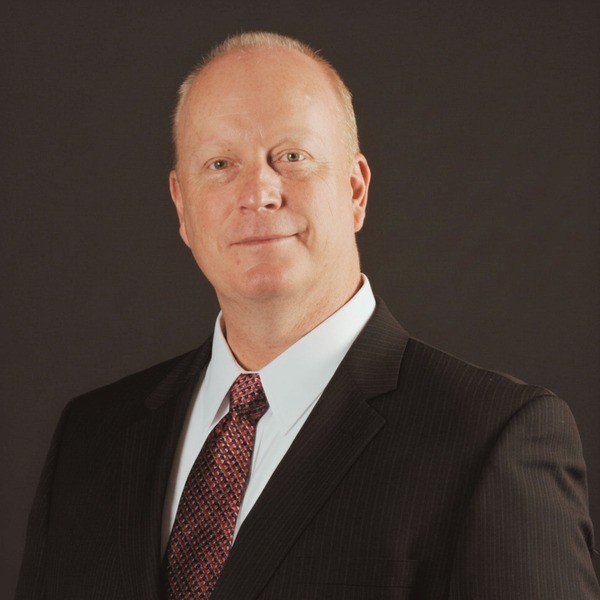
Thomas Powell, MD MS, is a physician executive, career chief medical information officer, consultant, and applied clinical informaticist, with three decades of clinical and operational experience across academic, community, and integrated delivery systems. He is the founder of CMIO, LLC, providing interim executive leadership, consultation, project support, and the Diagnostician method from this book.